
Nieuws
Hoe schouderknobbels op kleding te voorkomen: De Complete Hangergids

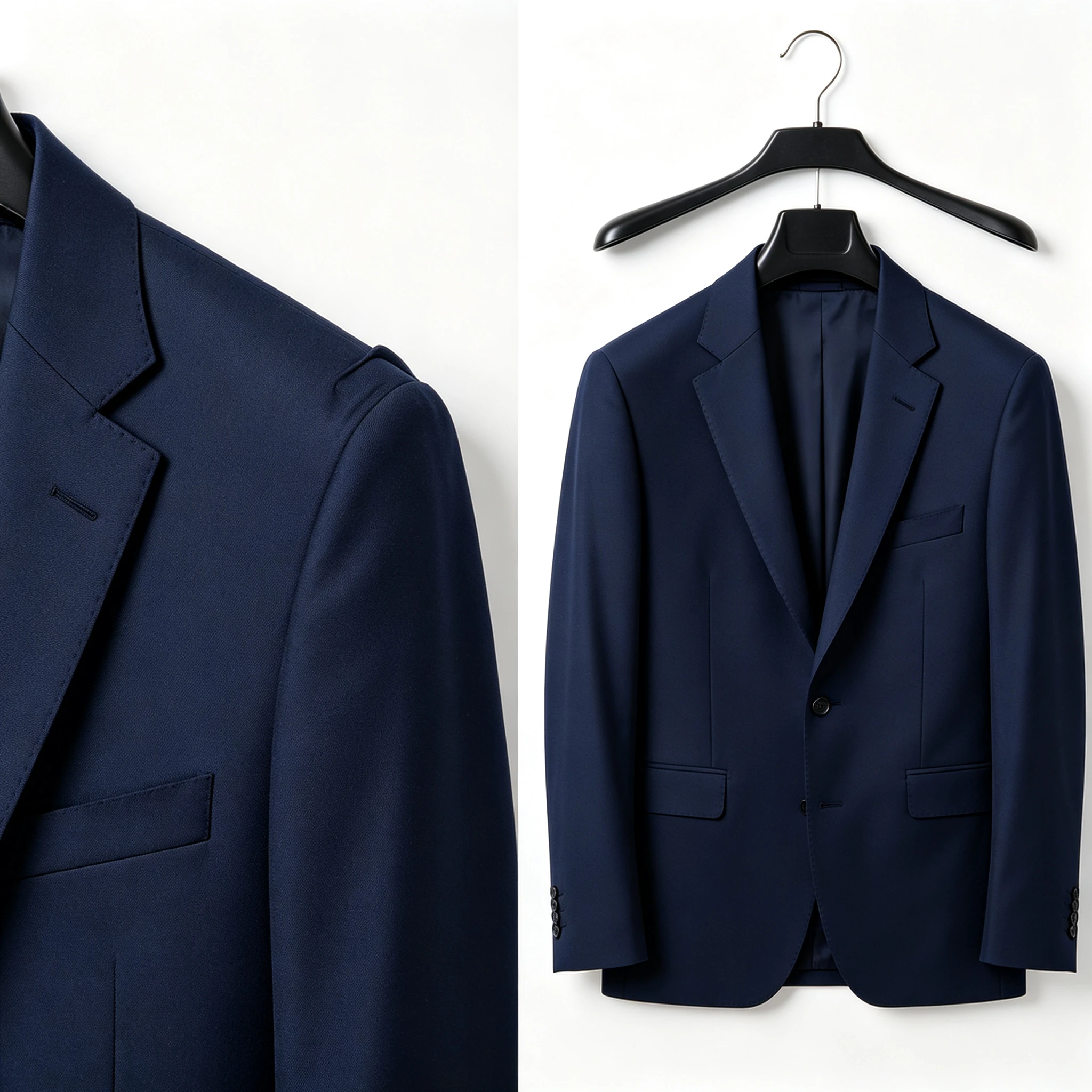
Je trekt je favoriete colbert van de rek, klaar om het te dragen — en daar zijn ze: twee scherpe, puntige bobbels bij de schouders, precies waar de hanger in de stof sneed. Ze worden genoemd schouderbobbels (ook bekend als hangerhoorns, hangertepels of hangermerken), en ze zijn een van de meest voorkomende — en meest te voorkomen — vormen van kledingbeschadiging. Een $500 pak kan worden verpest door een $0.50 draadhanger. In deze volledige gids leggen we precies uit wat schouderbobbels veroorzaakt, hoe je ze kunt voorkomen met de juiste hangers, en wat te doen als je kleding er al last van heeft. Voor een breder overzicht van hanger types, zie onze volledige gids over soorten kledinghangers.
Wat Zijn Schouderbobbels (Hangerhoorns)?
Schouderbobbels zijn permanente uitziende puntige uitsteeksels die ontstaan bij de schoudernaden van jassen, overhemden, blazers en breiwerk na langdurig ophangen aan de verkeerde hanger. Ze ontstaan wanneer de schouder van de hanger te smal, te puntig of verkeerd van maat is — waardoor er een geconcentreerd drukpunt ontstaat bij de schoudernaad van de kleding in plaats van dat het gewicht gelijkmatig over de natuurlijke schouderlijn wordt verdeeld. Na verloop van tijd comprimeert en vervormt de stof, voering en vulling in dat gebied, en neemt de vorm aan van de smalle rand van de hanger.
Schouderbobbels komen het meest voor op:
- Gestructureerde pakken en blazers (met schoudervullingen en canvas voering)
- Zware overjassen en wollen jassen (gewicht versterkt het drukpunt)
- Kleding en truien (zachte stoffen strekken en vervormen gemakkelijk)
- Lederen en kunstlederen jassen (het materiaal kreukt permanent op drukpunten)
- Kinderfeestkleding (kleine kledingstukken zijn vooral kwetsbaar voor te grote hangers)
Wat Veroorzaakt Schouderbobbels? (3 Belangrijkste Oorzaken)
1. Smalle of Puntige Schouderdelen van de Hanger (De #1 Oorzaak)
De grootste oorzaak van schouderknobbels is een hanger met schouders die te smal zijn — minder dan 3 cm breed. Dunne draadhangers, goedkope plastic droogkuikhangers en slanke metalen hangers hebben allemaal smalle, puntige schouders die het hele gewicht van het kledingstuk concentreren op een klein gebied bij de schoudernaad. In plaats van dat de schoudercontour van de hanger zich aanpast aan de natuurlijke schoudervorm van het kledingstuk, wordt het kledingstuk gedwongen zich aan te passen aan het smalle punt van de hanger — wat een permanente bobbel veroorzaakt. Daarom verschijnen de bobbels precies bij de schoudernaad, niet elders.
2. Verkeerde Hangermaat (Te Klein of Te Groot)
Een hanger die niet de juiste maat heeft voor het kledingstuk veroorzaakt schouderknobbels, zelfs als deze brede schouders heeft. Een hanger die te klein is (bijvoorbeeld een kindergrote hanger onder een herenpak) bereikt de schoudernaad van het kledingstuk niet, waardoor de stof over de rand van de hanger valt en een bobbel bij de naad ontstaat. Een hanger die te groot is (bijvoorbeeld een volwassen hanger onder een kindermantel) steekt verder uit dan de schouder, waardoor de stof wordt uitgerekt en vervormd. De lengte van de hanger moet overeenkomen met de schouder-tot-schouder breedte van het kledingstuk.
3. Zware of Natte Kleding Ophangen op Zwakke Hangers
Zware kledingstukken (wollen overjassen, leren jassen, gewichten tactische vesten) versterken de tekortkomingen van elke hanger — zelfs een matig brede hanger kan buigen of drukpunten veroorzaken onder 3–5 kg gewicht. Natte kledingstukken zijn nog kwetsbaarder: natte stof is zachter, zwaarder en meer geneigd tot strekken en vervormen. Het ophangen van een nat pak of trui aan een smalle hanger garandeert bijna zeker schouderknobbels, omdat het watergewicht de stof naar beneden trekt rond de rand van de hanger. Laat kleding altijd plat drogen of op een gewatteerde vorm voordat je ze ophangt.
Hoe Schouderbobbels te Voorkomen: 5 Bewezen Methoden
✅ Methode 1: Gebruik Hangers met Brede Schouders en Contouren (Meest Belangrijk)
De meest effectieve preventie is het gebruik van hangers met een brede, gevormde schouder van minimaal 4cm (bij voorkeur 4,2–6,2cm voor pakken en jassen voor volwassenen). De brede schouder bootst de natuurlijke vorm van een menselijke schouder na, waardoor het gewicht van het kledingstuk gelijkmatig over het hele schoudergebied wordt verdeeld in plaats van geconcentreerd op één punt. De gevormde (gebogen) vorm volgt de schouderlijn van het kledingstuk, waardoor de scherpe rand die bobbels veroorzaakt, wordt geëlimineerd. Onze 44,5cm brede schouder herenpakhanger (4,2cm schouder, 85g commercieel van kwaliteit) is speciaal ontworpen om schouderbobbels op pakken en jassen te voorkomen. Voor zware overjassen, upgrade naar een model met een extra brede schouder van 6,2cm voor maximale ondersteuning.
✅ Methode 2: Stem Hangermaat Af op Kledingmaat
Gebruik altijd een hanger waarvan de lengte overeenkomt met de schouderbreedte van het kledingstuk. Gebruik deze maattabel: herenpakken/jassen = 44–45,5cm lengte; damespakken/jassen = 39–40cm; oudere kinderen (6–12 jaar) = 36cm; jonge kinderen (1–5 jaar) = 28–30,5 cm. Het gebruik van de juiste maat zorgt ervoor dat de schouderuiteinden van de hanger precies op de schoudernaad van het kledingstuk uitkomen, zonder overhang of opening. Onze 36 cm grote kinder kledinghanger (4 cm brede schouder) is perfect op maat voor jassen en pakken van oudere kinderen, en voorkomt de bulten die ontstaan bij het gebruik van kledinghangers voor volwassenen op kinderkleding.
✅ Methode 3: Kies het Juiste Materiaal voor het Kledingtype
Verschillende kledingstukken vereisen verschillende materialen kledinghangers. Voor gestructureerde pakken en jassen, gebruik kledinghangers met brede schouders van commerciële kwaliteit plastic (ABS/HIPS) — ze zijn stijf, duurzaam en behouden hun vorm onder zwaar gewicht. Voor gebreide kleding en truien, gebruik gewatteerde of fluwelen kledinghangers met brede schouders — het zachte oppervlak voorkomt haken en de vulling verdeelt het gewicht zachtjes. Voor delicate blouses en jurken, bieden fluwelen kledinghangers met flocking een antislip grip zonder scherpe randen. Voor leren jassen, gebruik extra brede plastic kledinghangers (5 cm+) om het zware materiaal te ondersteunen en kreuken te voorkomen. Voor een gedetailleerde vergelijking, lees onze gids voor fluwelen vs plastic hangers.
✅ Methode 4: Hang Nooit Natte of Vochtige Kleding Op
Natte stof is tot 3x gevoeliger voor rekken en vervorming dan droge stof. Hang nooit een nat pak, jas of trui aan een kledinghanger — het watergewicht trekt de stof naar beneden rond de schouderrand van de hanger, waardoor er bulten ontstaan die extreem moeilijk te verwijderen zijn. Doe in plaats daarvan: (1) knijp voorzichtig overtollig water eruit (nooit wringen of draaien); (2) leg het kledingstuk plat op een schone, droge handdoek; (3) rol het op in de handdoek om vocht te absorberen; (4) vorm het met de hand opnieuw; (5) laat het plat aan de lucht drogen of op een gewatteerde droogvorm totdat het volledig droog is; (6) pas daarna overbrengen op een kledinghanger met brede schouders voor opslag. Deze eenvoudige gewoonte voorkomt de meeste schouderbulten op gebreide kleding en delicate kledingstukken.
✅ Methode 5: Bewaar Zware Kleding Correct (Overbevolm het Niet)
Zelfs de beste kledinghanger met brede schouders kan falen als het kledingstuk in een overvolle kast wordt gepropt. Wanneer kledingstukken strak tegen elkaar worden gepakt, drukken ze tegen elkaar aan, en de schouder van de hanger kan uit het lood raken — waardoor er drukpunten en bulten ontstaan. Volg deze opbergregels: (1) laat minimaal 2–3 cm ruimte tussen elk hangend kledingstuk; (2) hang niet meerdere kledingstukken aan één hanger; (3) overweeg voor opslag buiten het seizoen ademende kledinghoezen met ingebouwde schoudersteunen; (4) roteer zware jassen periodiek tussen kledinghangers met brede schouders om de schouderpadding te laten herstellen; (5) gebruik voor zeer zware items (tactische vesten, bontjassen, verzwaarde uitrusting) een heavy-duty hanger met een draagvermogen van 50 kg+ in plaats van een standaard pakkenhanger. Lees voor meer informatie over de selectie van pakken- en jassenhangers onze gids voor de beste hangers voor kostuums en jassen.
Heeft je Kleding al Schouderbobbels? Zo Los je ze op
Als uw kledingstukken al schouderbulten hebben, raak niet in paniek — veel kunnen worden verminderd of verwijderd, afhankelijk van de stof en de ernst. Probeer deze methoden, van de zachtste tot de meest agressieve:
- Stoombehandeling (het beste voor pakken, jassen en gestructureerde kledingstukken): Hang het kledingstuk aan een geschikte kledinghanger met brede schouders. Gebruik een handstoomapparaat of de stoomfunctie van uw strijkijzer om het schoudergedeelte grondig te stomen, waarbij u het stoomapparaat 2–3 cm van de stof houdt. Terwijl de stof nog warm en vochtig is, masseer en vorm de schouder voorzichtig met de hand, strijk de bult glad. Laat het volledig afkoelen aan de hanger voordat u het aanraakt. Herhaal indien nodig 2-3 keer. De stoom ontspant de stofvezels en de voering, waardoor ze terugkeren naar hun natuurlijke vorm.
- Hang-vochtig methode (het beste voor gebreide kleding en katoen): Mist het schoudergedeelte licht met water uit een spuitfles (niet doorweken). Hang het kledingstuk onmiddellijk aan een kledinghanger met brede schouders van de juiste maat. Vorm de schouder voorzichtig met de hand, strijk de bult glad. Laat het volledig aan de lucht drogen aan de hanger. Terwijl de stof droogt, zal deze in de gecorrigeerde vorm komen te zitten. Dit werkt goed voor truien, katoenen jassen en gebreide blazers.
- Drukken met een kleermakershamer (het beste voor ernstige bulten): Gebruik voor hardnekkige bulten op gestructureerde kleding een kleermakershamer (een stevig gevuld, gebogen perskussen) die aan de binnenkant van de schouder van het kledingstuk wordt geplaatst. Druk het schoudergedeelte met een warm strijkijzer (gebruik een persdoek om de stof te beschermen) over de hamer — de gebogen vorm van de hamer ondersteunt de schouder en helpt deze opnieuw vorm te geven. Dit is de meest effectieve methode voor ernstige bulten, maar vereist enige vaardigheid om te voorkomen dat de stof beschadigd raakt.
- Professioneel persen (laatste redmiddel): Als huismiddeltjes niet werken, breng het kledingstuk dan naar een professionele stomerij of kleermaker. Zij beschikken over industriële stoomapparaten, persapparatuur en de expertise om zelfs ernstig misvormde schouders opnieuw vorm te geven. Dit wordt vooral aanbevolen voor dure pakken, jassen en leren jassen — de kosten van professioneel persen zijn veel lager dan het vervangen van het kledingstuk.
- Voorkomen is altijd beter: Zodra u de bulten hebt verwijderd, hang het kledingstuk onmiddellijk op een geschikte hanger met brede schouders en de juiste maat om te voorkomen dat ze terugkeren. De beste oplossing voor schouderbulten is om ze nooit te krijgen.
Hanger Aanbevelingen per Kledingtype
| Kledingtype | Aanbevolen hanger | Schouderbreedte | Waarom |
|---|---|---|---|
| Herenpakken & Blazers | Brede plastic schouder (ABS/HIPS) | 4,2–6,2 cm | Stabiele ondersteuning voor gepolsterde schouders, hoge draagcapaciteit |
| Damespakken & Blazers | Brede fluwelen of plastic schouder | 4–4,5 cm | Antislip grip + brede ondersteuning voor gestructureerde schouders |
| Zware overjassen & wollen jassen | Extra brede schouder zware plastic | 5–6,2 cm | Maximale gewichtsverdeling voor kledingstukken van 3–5 kg |
| Gebreide kleding & Truien | Gepolsterd of fluweel met brede schouders | 4 cm+ | Zacht oppervlak voorkomt haken; brede ondersteuning voorkomt uitrekken |
| Leren & Kunstleren Jassen | Extra brede plastic schouders (5 cm+) | 5 cm+ | Zwaar materiaal heeft maximale ondersteuning nodig om kreuken te voorkomen |
| Kinderpakken & Jassen | Plastic met brede schouders van de juiste maat | 2,5–4 cm (per leeftijd) | De juiste maat voorkomt bobbels door te grote hangers |
| Overhemden & Blouses | Standaard plastic of fluweel | 3–4cm | Lichte kledingstukken hebben minder ondersteuning nodig; antislip helpt |
Veelgestelde Vragen
V: Kunnen schouderbobbels permanent zijn?
A: Schouderbobbels kunnen permanent worden als ze lange tijd onbehandeld blijven, vooral op gestructureerde kledingstukken met schouderpadding en canvas voering. De padding en voering kunnen samendrukken en een permanente vorm aannemen, waardoor de bobbel moeilijk te verwijderen is zonder professioneel opnieuw persen. De meeste schouderbobbels op wol, katoen en gebreide kledingstukken kunnen echter aanzienlijk worden verminderd of verwijderd met stoombehandeling, hangend vochtig hervormen of professioneel persen. Het belangrijkste is om ze vroegtijdig aan te pakken - hoe langer een kledingstuk aan de verkeerde hanger hangt, hoe permanenter de vervorming wordt. Preventie (het gebruik van de juiste hanger) is altijd veel gemakkelijker en effectiever dan het repareren van bobbels nadat ze zijn ontstaan.
V: Hoe breed moet een hanger schouder zijn om bobbels te voorkomen?
A: Voor herenpakken en -jassen moet de hanger schouder minimaal 4 cm breed, zijn, ideaal 4,2–6,2 cm afhankelijk van het gewicht van het kledingstuk. Een schouder van 4,2 cm is voldoende voor standaardpakken en blazers, terwijl een extra brede schouder van 5–6,2 cm wordt aanbevolen voor zware overjassen, leren jassen en gestructureerde winterkleding. Voor damespakken en -blazers is 4–4,5 cm geschikt. Voor kinderkleding, 2,5–4 cm afhankelijk van de leeftijd (2,5–3 cm voor peuters, 3,5–4 cm voor oudere kinderen). Elke schouder van minder dan 3 cm riskeert bobbels te veroorzaken op gestructureerde kledingstukken, ongeacht het materiaal van de hanger. De schouder moet ook gecontourd (gebogen), zijn, niet plat of puntig, om de natuurlijke schoudervorm van het kledingstuk te volgen.
V: Zijn fluwelen hangers goed voor het voorkomen van schouderbobbels?
A: Standaard fluwelen hangers zijn niet ideaal voor het voorkomen van schouderbobbels op pakken en jassen omdat de meeste een smalle, platte schouder hebben (minder dan 3 cm) die drukpunten kan veroorzaken - ondanks hun uitstekende antislip grip. Echter, fluwelen hangers met brede schouders (4 cm+ schouder) zijn uitstekend voor het voorkomen van bobbels op pakken, blazers en jassen - ze combineren het antislip voordeel en het zachte oppervlak van fluweel met de schouderondersteuning van een brede hanger. Voor gebreide kleding en truien werken zelfs standaard fluwelen hangers goed omdat het zachte, pluizige oppervlak het gewicht zacht verdeelt en de scherpe randen voorkomt die bobbels op delicate breisels veroorzaken. Voor zware overjassen raden we plastic of houten hangers met brede schouders aan in plaats van fluweel, omdat deze een grotere draagcapaciteit en stijfheid bieden. Lees voor een gedetailleerde vergelijking onze gids fluweel vs plastic hangers.
V: Kan ik een kledinghanger gebruiken die iets te groot of te klein is?
A: Een kledinghanger die iets te groot is (binnen 2-3 cm van de schouderbreedte van het kledingstuk) is over het algemeen acceptabel voor de meeste kledingstukken - het kan lichte rek aan de armsgaten veroorzaken, maar zal waarschijnlijk geen scherpe schouderknobbels creëren. Een kledinghanger die echter te klein is (meer dan 3 cm smaller dan het kledingstuk) is een belangrijke oorzaak van schouderknobbels - de schouder van de hanger eindigt vóór de schoudernaad van het kledingstuk, waardoor een scherp drukpunt precies op de naad ontstaat. Voor kinderkleding kan het gebruik van een volwassen hanger (10 cm+ te breed) aanzienlijke rek en vervorming veroorzaken. De algemene regel: als de schouder van de hanger de schoudernaad van het kledingstuk niet bereikt, is deze te klein - upgrade onmiddellijk naar de juiste maat. Kies bij twijfel een hanger die iets te breed is in plaats van te smal.
V: Hoe weet ik of mijn huidige kledinghangers knobbels veroorzaken?
A: Doe deze snelle inspectie: (1) Haal een colbert of jas van de hanger en leg deze plat op een bed of tafel. (2) Kijk naar de schoudergedeelten - zijn er puntige uitsteeksels, inkepingen of kreukels bij de schoudernaden? (3) Ga met uw hand langs de schouder - voelt de stof gecomprimeerd of misvormd aan in een klein gebied? (4) Controleer de hanger zelf - is de schouder minder dan 3 cm breed? Is deze plat of puntig in plaats van gevormd? Is de hanger aanzienlijk korter dan de schouderbreedte van het kledingstuk? Als u op een van deze vragen “ja” antwoordt, veroorzaken uw kledinghangers waarschijnlijk schouderknobbels of zullen ze deze veroorzaken. De oplossing is eenvoudig: vervang ze door kledinghangers met brede schouders (4 cm+), gevormd en van de juiste maat. Voor pakken en jassen, bekijk onze collectie brede plastic kledinghangers — allemaal ontworpen met schouderondersteuning en knobbelpreventie in gedachten.
Stop met het Beschadigen van je Kleding — Upgrade je Hangers Vandaag
Schouderknobbels zijn 100% te voorkomen met de juiste kledinghangers. Onze brede, gevormde kledinghangers van commerciële kwaliteit zijn ontworpen om pakken, jassen en gebreide kleding goed te ondersteunen - waardoor schouderknobbels voorgoed worden geëlimineerd. Fabrieksdirecte groothandelsprijzen, aangepaste kleuren en logo's, gratis monsters en wereldwijde verzending.
Shop Brede Schouderhangers
Shop Fluwelen Hangers
Vraag een Gratis Offerte aan
Voor een compleet overzicht van alle hanger types, materialen en toepassingen, lees onze Types Kledinghangers: De Complete Gids.